The 70-YearSilence
Black Political Power in North Carolina, 1868 – Present
More than 125 Black men served in the General Assembly. A white supremacist coup in Wilmington ended it. The silence lasted seventy years.
Scroll to witness the timeline
In the years after the Civil War, more than 125 Black men served in the North Carolina General Assembly. They were all Republicans. They built public schools, fought for homestead protections, and represented some of the most politically active Black communities in the American South — sustained by a Fusion coalition of Black Republicans and white Populists that lasted into the late 1890s.
When that coalition collapsed under sustained white supremacist violence, the silence that followed lasted seventy years. The last Black state legislator departed in 1899; the last Black congressman from North Carolina departed in 1901. A population that was roughly a third of the state produced zero Black legislators across all of it.
The Wilmington Massacre
November 10, 1898
A white supremacist mob, organized by the Democratic Party of North Carolina, overthrew the elected government of Wilmington, the largest city in the state. They murdered an unknown number of Black residents, burned the offices of the Black newspaper the Daily Record, and expelled elected officials and community leaders from the city at gunpoint. It was the only successful armed coup against a municipal government in American history. It ended Black political power in North Carolina more effectively than any law. The last Black state legislator departed the following year.
No names. No representatives. No senators. No voice in government. North Carolina’s silence lasted seventy years.
1868–1899
Silence
1899–1969
The silence is not ancient history. It is the world your grandparents were born into.
Help us document what remains. Every church, school, lodge hall, and cemetery that Black communities built during the silence is a monument to persistence without representation.
The history preserved here is not a museum exhibit. It is a living record with direct implications for how we understand civic participation, community power, and the work that remains.

Black History Every Month
A 90-minute course that reframes Black American history as a year-round practice, not a February obligation. The Political Leadership Overlay data is woven throughout.

Know Your Roots, Know Your Rights
Your family's history is connected to laws, policies, and legal systems that shaped where they lived, how they worked, and what they were allowed to own. This self-paced course bridges genealogy and advocacy.

Know Your Power: Civic Advocacy for Black Women
Understanding who held power where your ancestors lived is itself an act of advocacy. From Reconstruction to redistricting.
Join the Map
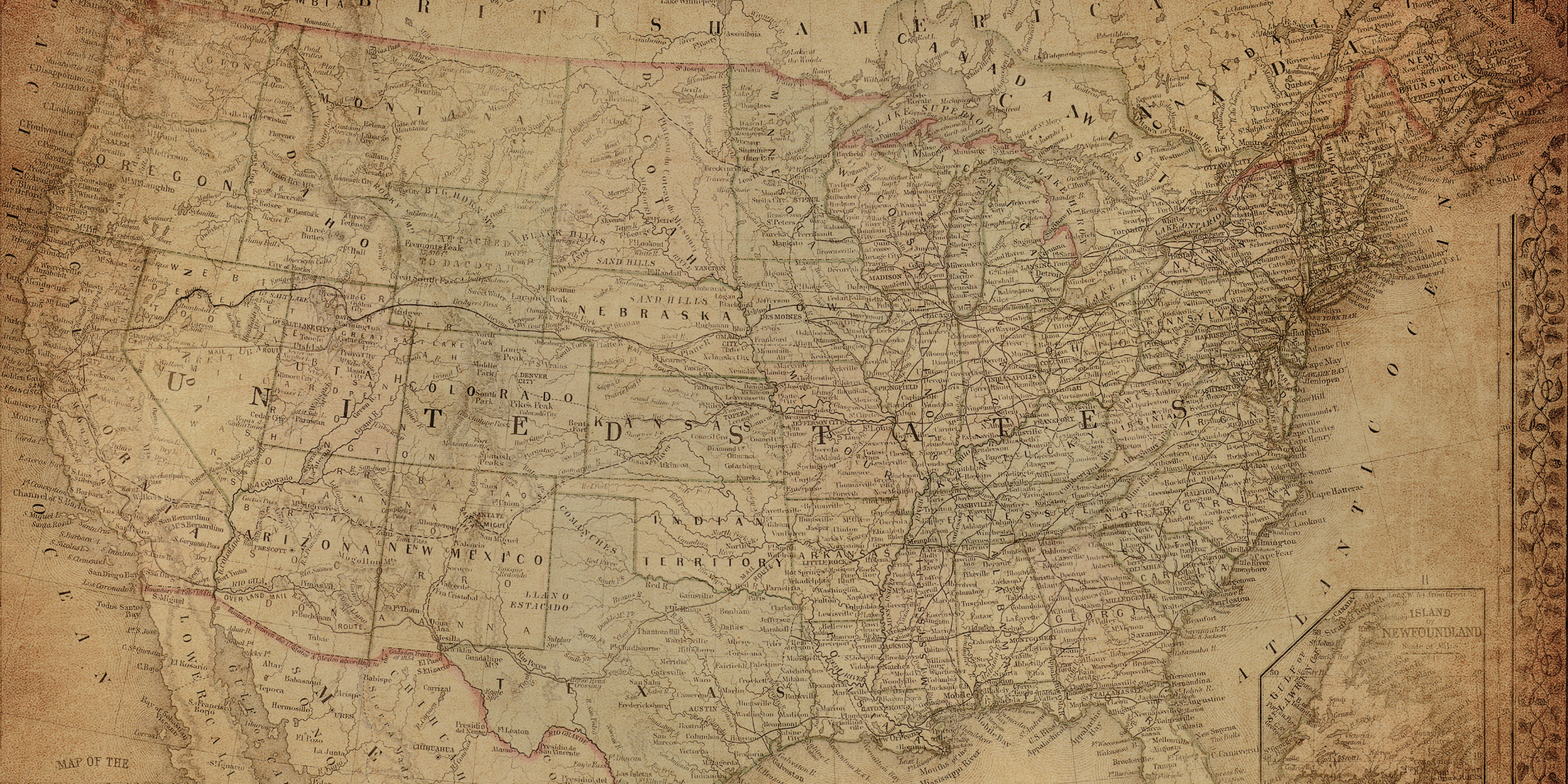
Every church, school, lodge hall, and cemetery that Black communities built during the silence is a monument to persistence without representation.
Explore the Map- NCpedia — State Library of North Carolina
- U.S. House of Representatives — History, Art & Archives
- 1898 Wilmington Race Riot Commission, Final Report (2006)
- Eric Foner, Reconstruction: America’s Unfinished Revolution, 1863–1877