The Great-Grandson and the Locked Door
Black Political Power in California, 1919 – Present
scroll to begin
The Organizing Fact
In 1918, Roberts ran for the California State Assembly and won, in a majority-white district, against a candidate who handed out cards reading "My opponent is a nigger." He built what historians have called the first multiethnic political coalition in Los Angeles history.
He was seated on January 6, 1919 — the first Black person in the state and on the West Coast to hold such office. He served sixteen years, helped establish UCLA, wrote California's early civil rights laws, and welcomed Marcus Garvey to Los Angeles in 1922.
In 1934, he was defeated by fellow African American Augustus F. Hawkins, a Democrat. Hawkins went on to a half-century career in the legislature and in Congress. The man who displaced him carried the work forward.
Heritage Cards
Great-grandson of Sally Hemings. Great-great-grandson of Thomas Jefferson. First Black state legislator in California and on the West Coast. Helped establish UCLA. Wrote California's first civil rights laws. Sixteen years in the Assembly. Buried at Evergreen Cemetery, Los Angeles. The man who helped found UCLA cannot eat in a restaurant in Virginia, where his ancestor wrote that all men are created equal.
Born in Shreveport, Louisiana. Moved to Los Angeles as a child. Defeated Roberts in 1934. Served in the California Assembly until 1962, then elected to Congress. Served in the US House of Representatives until 1991 — twenty-eight years. Co-authored the Humphrey-Hawkins Full Employment Act. One of the longest-serving Black legislators in American history. Born in Louisiana. Died in Los Angeles at 100 years old having spent his entire career fighting for the people the system was designed to exclude.
Black Americans make up approximately 5.8% of California's population — about 2.4 million people. They have always been here.
The first Black California legislator was the great-grandson of a woman enslaved by the man who wrote that all men are created equal. He spent sixteen years proving it.
Explore the Full ArchiveNjila
 The Ancestral Pathway
The history preserved here is not a museum exhibit. It is a living record with direct implications for how we understand civic participation, community power, and the work that remains.

Black History Every Month
A 90-minute course that reframes Black American history as a year-round practice, not a February obligation. The Political Leadership Overlay data is woven throughout.

Know Your Roots, Know Your Rights
Your family's history is connected to laws, policies, and legal systems that shaped where they lived, how they worked, and what they were allowed to own. This self-paced course bridges genealogy and advocacy.

Know Your Power: Civic Advocacy for Black Women
Understanding who held power where your ancestors lived is itself an act of advocacy. From Reconstruction to redistricting, from the Voting Rights Act to your next local election.
Join the Map
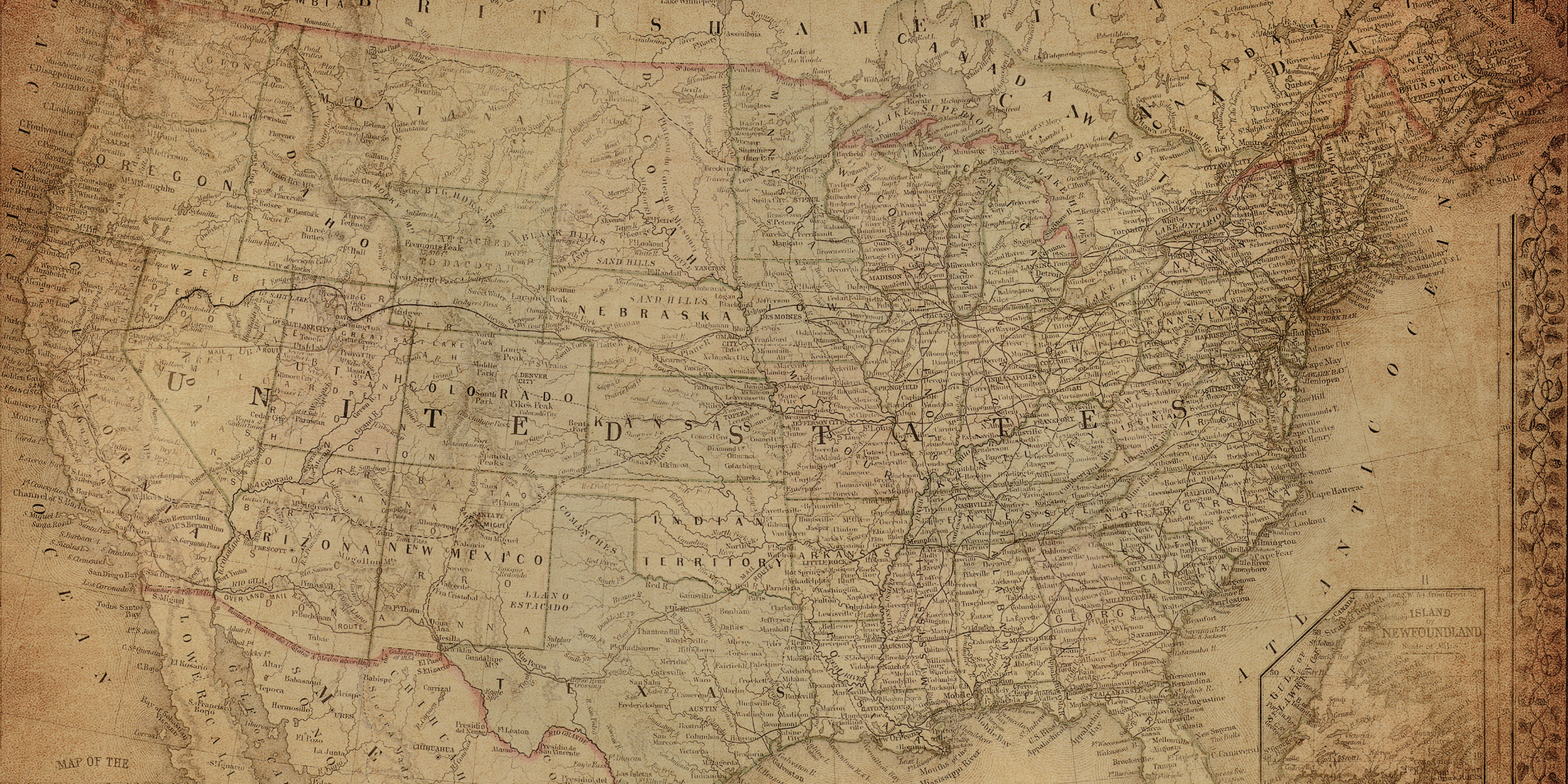
Every church, school, lodge hall, and cemetery that Black communities built during the silence is a monument to persistence without representation. Help us document what remains.
Explore the Map- BlackPast / Wikipedia / KCRW
- BlackPast
- U.S. House of Representatives — History, Art & Archives (history.house.gov)
- Eric Foner, Reconstruction: America’s Unfinished Revolution, 1863–1877 (Harper Perennial, 2014)