No Vote, No Voice
No Vote, No Voice — Washington DC | Ongoing since 1801
scroll to begin
Population Context
Between 1930 and 1950 the Black population of DC doubled to some 280,000 — approximately 35 percent of the total. DC became majority-Black in the late 1950s.
By 1963, when 250,000 people gathered on the National Mall for the March on Washington for Jobs and Freedom, the city hosting that march was already majority-Black and had been for several years. By 1970, DC was 71 percent Black.
The people marching for democratic rights were marching in a city whose Black majority had no vote in Congress, no elected mayor, and no elected city council.
The Structure of Exclusion
The Core Statement
On August 28, 1963, 250,000 people gathered in Washington DC to march for jobs and freedom. Approximately 75 to 80 percent of the marchers were Black. They marched through a city that was itself majority-Black, governed by federally appointed commissioners, with no elected mayor, no city council, and no voting representation in Congress.
The capital of American democracy was, at that moment, one of its most dramatic examples of democratic exclusion.
The people of Washington DC did not choose to live outside democracy. The structure of American government placed them there. Article I of the Constitution gives Congress plenary authority over the District. Congress has used that authority, across nearly two centuries, to deny the District's residents the most basic right of democratic citizenship — a vote that counts.
This page does not document a silence that ended. It documents a silence that continues.
Heritage Cards
Lived in Washington DC from 1872 until his death in 1895. Served as US Marshal for DC, appointed 1877. Served as Recorder of Deeds for DC, 1881 to 1886. The most prominent Black American of the 19th century spent the last decades of his life in a city where he had no vote in Congress and no elected local government.
DC civil rights leader. Co-organized the 1963 March on Washington. Later served as Washington's first nonvoting delegate to Congress since the Reconstruction era. He spent his career fighting for the right to vote in a city whose residents were denied it.
The first African American mayor of a major American city, and the first DC mayor since 1871 — appointed by President Lyndon Johnson in 1967. Appointed first, then elected after Home Rule passed. Sworn in on January 2, 1975, by Supreme Court Justice Thurgood Marshall.
SNCC chapter leader in DC. Organized boycotts and rallies for home rule. Elected mayor 1978. Re-elected 1982. His political arc runs directly from the civil rights movement to the elected government DC residents finally won in 1974.
Ongoing Condition
DC statehood remains unresolved. The District has no voting representation in Congress as of today. Its residents pay federal income taxes, serve in the military, and are subject to all federal laws.
The population of DC is larger than the populations of Wyoming and Vermont, both of which have two senators and a voting House member. DC has none.
Black Americans make up approximately 41% of Washington DC's population — about 282,000 people — down from 71% in 1970. They have always been here.
This page does not document a silence that ended. It documents a silence that continues.
Explore the Full ArchiveNjila
 The Ancestral Pathway
The history preserved here is not a museum exhibit. It is a living record with direct implications for how we understand civic participation, community power, and the work that remains.

Black History Every Month
A 90-minute course that reframes Black American history as a year-round practice, not a February obligation. The Political Leadership Overlay data is woven throughout.

Know Your Roots, Know Your Rights
Your family's history is connected to laws, policies, and legal systems that shaped where they lived, how they worked, and what they were allowed to own. This self-paced course bridges genealogy and advocacy.

Know Your Power: Civic Advocacy for Black Women
Understanding who held power where your ancestors lived is itself an act of advocacy. From Reconstruction to redistricting, from the Voting Rights Act to your next local election.
Join the Map
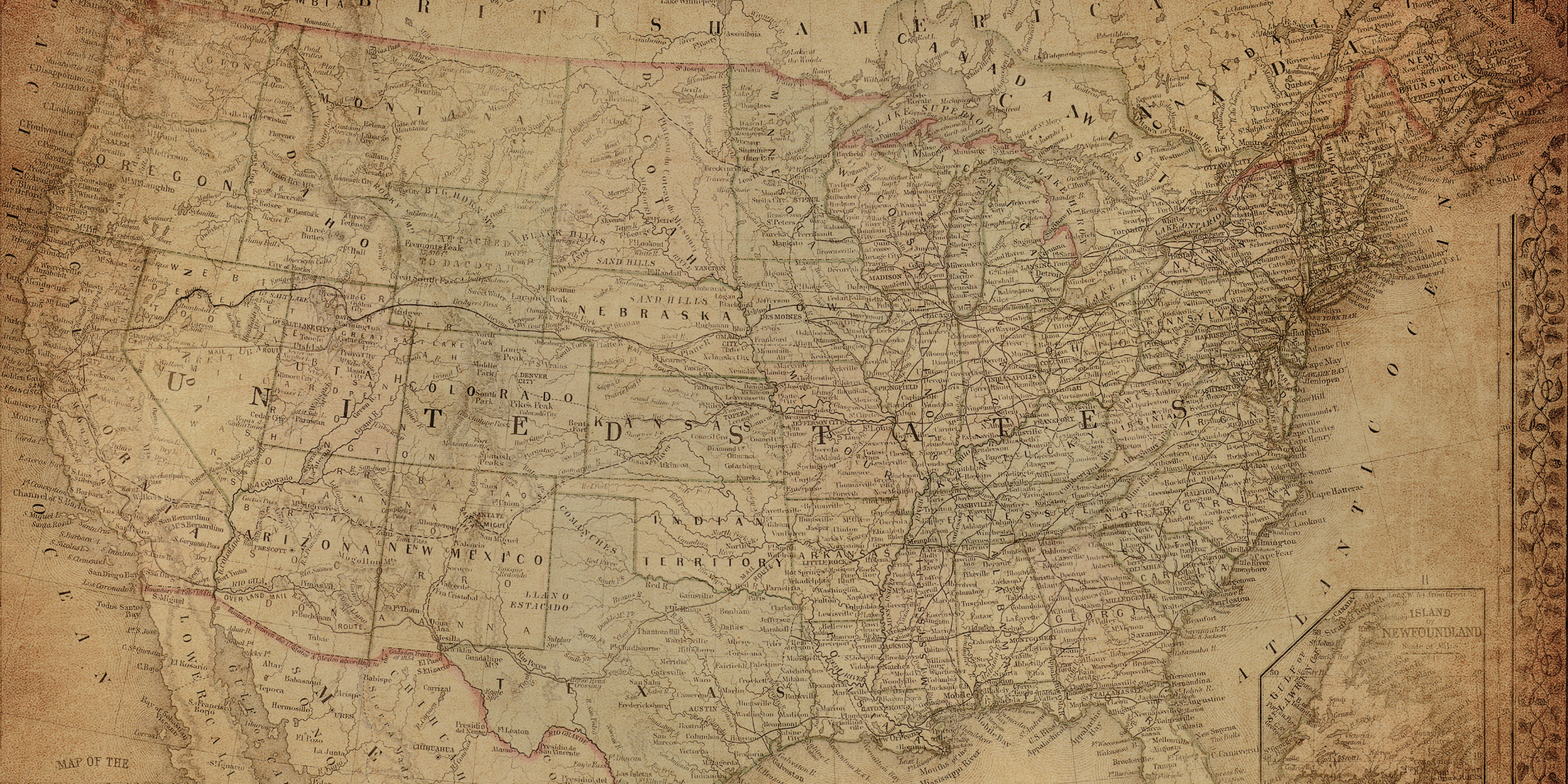
Every church, school, lodge hall, and cemetery that Black communities built during the silence is a monument to persistence without representation. Help us document what remains.
Explore the Map- Smithsonian Magazine
- DC Historic Sites / Wikipedia
- U.S. House of Representatives — History, Art & Archives (history.house.gov)
- Eric Foner, Reconstruction: America’s Unfinished Revolution, 1863–1877 (Harper Perennial, 2014)
- BlackPast.org