The Border That Wasn't
Black Political Power in Kentucky, 1870 – Present
scroll to begin
Kentucky used literacy tests, poll taxes, grandfather clauses,
and the full machinery of suppression to ensure that Black voting
power translated into nothing for six decades.
Heritage Cards
Louisville attorney and Republican politician. First Black member of the Kentucky General Assembly, January 1936. He served during the Depression, introduced legislation expanding educational opportunity for Black Kentuckians who were barred from attending state universities, and built a political career in a state that had refused to ratify the amendments that made his citizenship possible. The Kentucky legislature did not ratify the 13th, 14th, and 15th Amendments until 1976 — forty years after Anderson first took his seat.
In 1976, Kentucky state legislator Mae Street Kidd successfully sponsored a resolution ratifying the 13th, 14th, and 15th Amendments to the United States Constitution. It was fitting that a Black woman should initiate the state's formal repudiation of slavery. She lived long enough to make Kentucky officially acknowledge what it had denied for more than a century.
Black Americans make up approximately 8.6% of Kentucky's population — about approximately 400,000 people. They have always been here.
Kentucky never seceded. It also never ratified the amendments that ended slavery — not until 1976, forty years after its first Black legislator took office. The border that wasn't.
Explore the Full ArchiveNjila
 The Ancestral Pathway
The history preserved here is not a museum exhibit. It is a living record with direct implications for how we understand civic participation, community power, and the work that remains.

Black History Every Month
A 90-minute course that reframes Black American history as a year-round practice, not a February obligation. The Political Leadership Overlay data is woven throughout.

Know Your Roots, Know Your Rights
Your family's history is connected to laws, policies, and legal systems that shaped where they lived, how they worked, and what they were allowed to own. This self-paced course bridges genealogy and advocacy.

Know Your Power: Civic Advocacy for Black Women
Understanding who held power where your ancestors lived is itself an act of advocacy. From Reconstruction to redistricting, from the Voting Rights Act to your next local election.
Join the Map
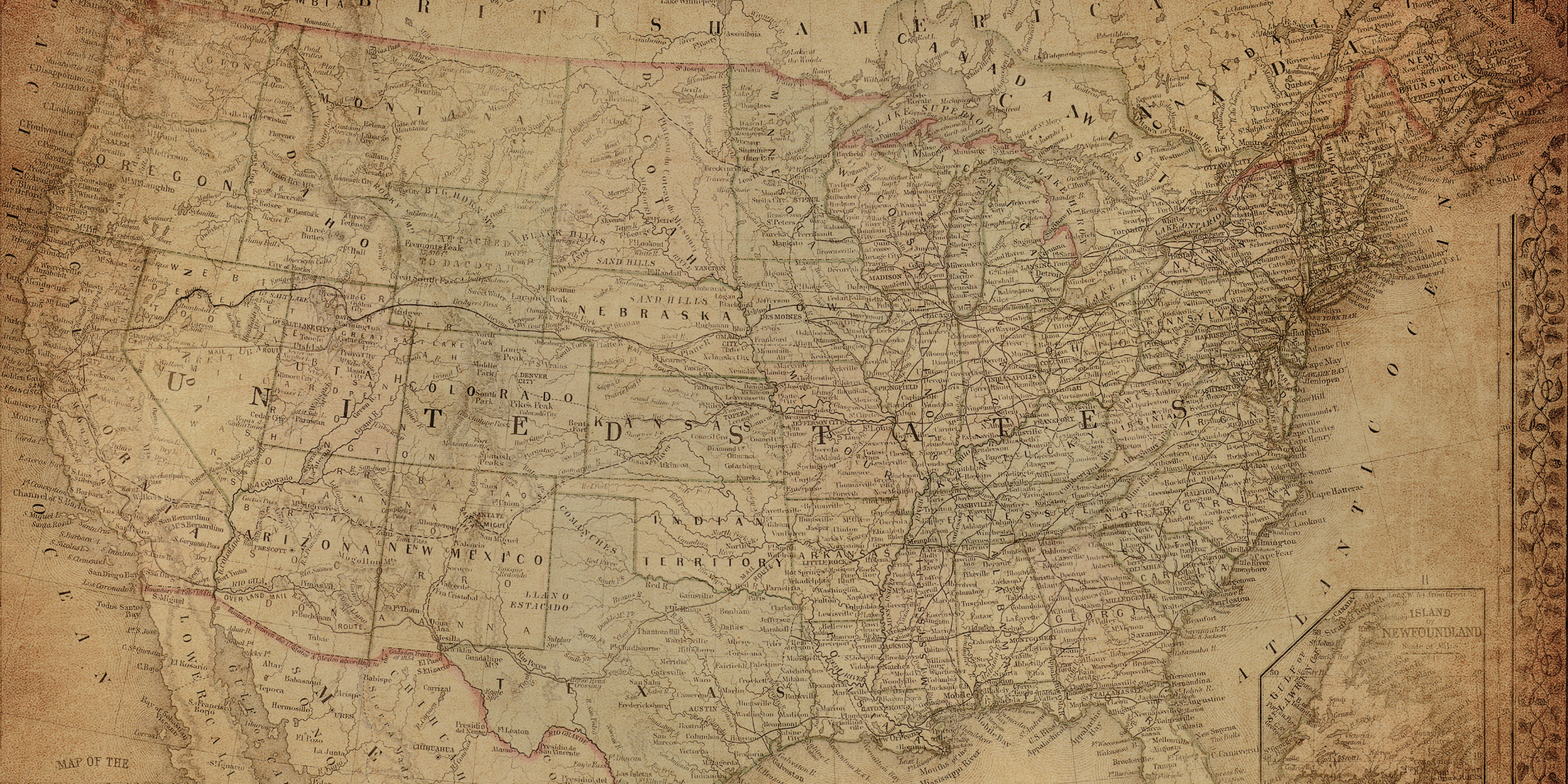
Every church, school, lodge hall, and cemetery that Black communities built during the silence is a monument to persistence without representation. Help us document what remains.
Explore the Map- University of Kentucky
- U.S. House of Representatives — History, Art & Archives (history.house.gov)
- Eric Foner, Reconstruction: America’s Unfinished Revolution, 1863–1877 (Harper Perennial, 2014)
- BlackPast.org