
The Stolen Seat
Black Political Power in Missouri, 1870 – Present
scroll to begin
The Record That Was Erased
William M. Riley — 1918
For about six days in 1918, William M. Riley was the first elected Black lawmaker in Missouri's state legislature. The St. Louis optometrist won the race for state representative on a Republican ticket, making headlines across the country despite a racist backlash from white voters who accused local Republican leaders of concealing his race.
Days after the election, the results were overturned. His seat was given to someone else. His name faded from public view. His story deserves more than empty pages.
The Official First — Walthall Moore
Walthall Moore was elected on November 2, 1920, as the first Black man to hold office in the Missouri Legislature. He was 37 — a Republican representing House District 6 in St. Louis. The gap from the 15th Amendment in 1870 to Moore's seating is fifty years.
When he took his seat he said: "I am placed in a peculiar, but distinguished position, being the first one of color ever to sit in the Missouri Legislature, a distinction I appreciate." He asked to sit quietly and look on. He cooperated. He was there.
The 15th Amendment as Hinge
Missouri did not undergo Reconstruction in the same form as Confederate states, but it was a slave state. Black men could not vote before the 15th Amendment. After it passed in 1870, they could vote — but could not get elected for fifty years. And when one finally did win, his election was stolen.
Heritage Cards
Born enslaved in St. Louis County, Missouri. After the Civil War, worked for the Missouri Department of Education, establishing over thirty new schools for African Americans across the state. Helped gain support for Lincoln Institute, the first school to offer higher education for Black Missourians. Appointed by President Grant as Ambassador to Liberia in 1871 — the first African American to serve in the US diplomatic corps. Missouri's most prominent Black political figure of the 19th century. He never served in the state legislature.
St. Louis optometrist. Elected November 1918. Seated briefly. Unseated six days later, results declared void. Missouri's almost-first Black legislator. His election made national headlines. His erasure was quieter. The archive names him.
Republican. St. Louis. Elected 1920. Missouri's official first Black state legislator. When he took his seat he said: "I am placed in a peculiar, but distinguished position, being the first one of color ever to sit in the Missouri Legislature, a distinction I appreciate." He asked to sit quietly and look on. He cooperated. He was there.
Black Americans make up approximately 11.5% of Missouri's population — about 720,000 people. They have always been here.
Missouri erased one man's election and waited fifty years to seat another. Both names belong in the record.
Explore the Full ArchiveNjila
 The Ancestral Pathway
The history preserved here is not a museum exhibit. It is a living record with direct implications for how we understand civic participation, community power, and the work that remains.

Black History Every Month
A 90-minute course that reframes Black American history as a year-round practice, not a February obligation. The Political Leadership Overlay data is woven throughout.

Know Your Roots, Know Your Rights
Your family's history is connected to laws, policies, and legal systems that shaped where they lived, how they worked, and what they were allowed to own. This self-paced course bridges genealogy and advocacy.

Know Your Power: Civic Advocacy for Black Women
Understanding who held power where your ancestors lived is itself an act of advocacy. From Reconstruction to redistricting, from the Voting Rights Act to your next local election.
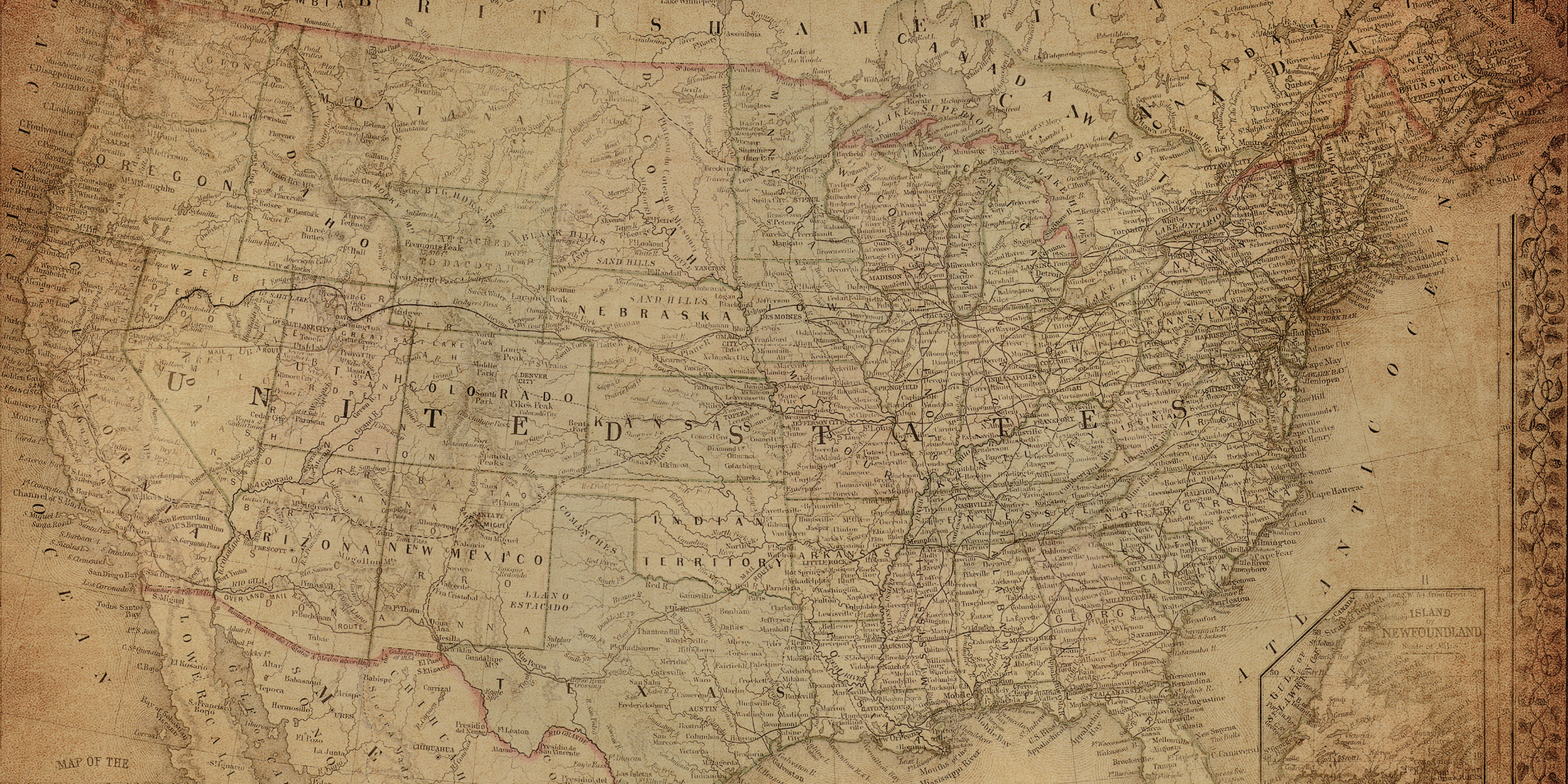
Join the Map
Every church, school, lodge hall, and cemetery that Black communities built during the silence is a monument to persistence without representation. Help us document what remains.
Explore the Map- BlackPast
- Riverfront Times
- St. Louis Post-Dispatch
- U.S. House of Representatives — History, Art & Archives (history.house.gov)
- Eric Foner, Reconstruction: America’s Unfinished Revolution, 1863–1877 (Harper Perennial, 2014)