The Vote Without the Seat
Black Political Power in New York, 1917 – Present
scroll to begin
The Gap
New York granted Black men the vote in 1821 — with a $250 property requirement that applied to no other voters. That requirement was removed in 1870 with the 15th Amendment.
From 1870 to 1917 is forty-seven years of Black men voting in New York without a single Black member of the state legislature. A right without power is a performance of inclusion.
Edward A. Johnson
Edward A. Johnson made history in 1917 as the first Black person elected to the New York State Legislature. Born into slavery in Wake County, North Carolina, he became an educator, lawyer, and author — writing one of the first history textbooks on Black American life approved for use in public schools. He moved to Harlem in 1907.
He was elected as a Republican from Harlem's Nineteenth Assembly District. He served one term. During that term he shepherded a civil rights act and legislation establishing a state employment bureau through the legislature. He was born enslaved. He died a free man in Harlem having changed the law.
What Followed
1941 — Adam Clayton Powell Jr. became the first Black man elected to New York City Council. In 1945 he was elected to the US House of Representatives — the first Black congressman from New York.
1952 — Julius Archibald became New York's first Black state senator.
1964 — Constance Baker Motley became the first Black woman elected to the New York State Senate, the first woman to serve as Manhattan Borough President, and — appointed by President Johnson — the first Black woman to serve as a federal court judge.
Heritage Cards
Educator, lawyer, author, legislator. Born enslaved in Wake County, North Carolina. Wrote one of the first history textbooks on Black American life approved for use in public schools. Moved to Harlem 1907. Elected 1917 — first Black member of the New York state legislature. Served one term. Ran unsuccessfully for Congress in 1928. Born in bondage in North Carolina. Died a free man in Harlem having changed the law.
Argued ten cases before the Supreme Court and won nine. First Black woman elected to the New York State Senate, 1964. First woman to serve as Manhattan Borough President. First Black woman appointed to the federal judiciary. One of the most consequential lawyers and legislators in American history.
Black Americans make up approximately 14.8% of New York's population — about approximately 2.9 million people. They have always been here.
New York proves across nearly a century that the right to vote and the right to representation are not the same thing. A right without power is a performance of inclusion.
Explore the Full ArchiveNjila
 The Ancestral Pathway
The history preserved here is not a museum exhibit. It is a living record with direct implications for how we understand civic participation, community power, and the work that remains.
Black History Every Month
A 90-minute course that reframes Black American history as a year-round practice, not a February obligation. The Political Leadership Overlay data is woven throughout.

Know Your Roots, Know Your Rights
Your family's history is connected to laws, policies, and legal systems that shaped where they lived, how they worked, and what they were allowed to own. This self-paced course bridges genealogy and advocacy.
Know Your Power: Civic Advocacy for Black Women
Understanding who held power where your ancestors lived is itself an act of advocacy. From Reconstruction to redistricting, from the Voting Rights Act to your next local election.
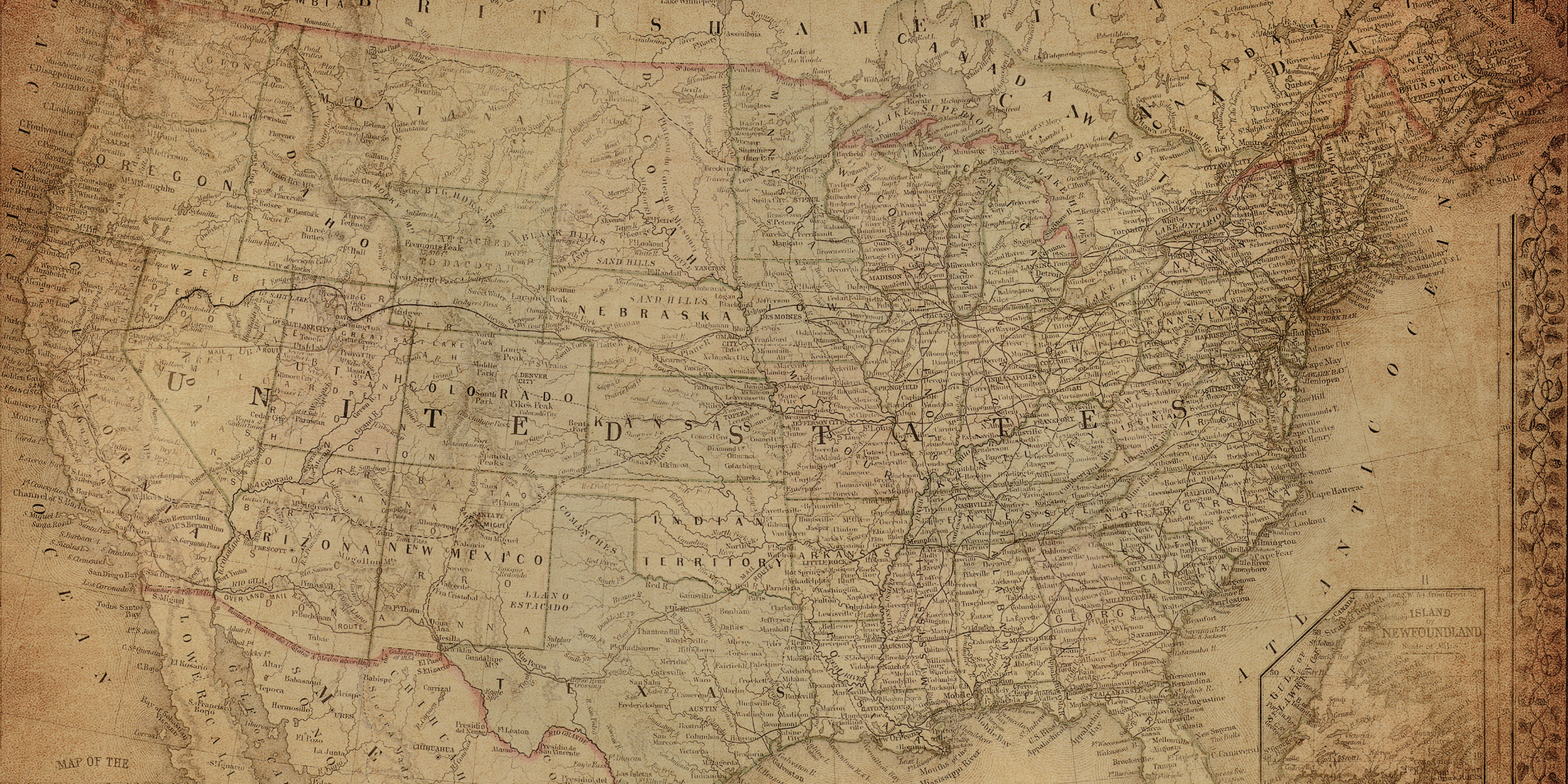
Join the Map
Every church, school, lodge hall, and cemetery that Black communities built during the silence is a monument to persistence without representation. Help us document what remains.
Explore the Map- Empire State Plaza / NCpedia
- City & State NY
- U.S. House of Representatives — History, Art & Archives (history.house.gov)
- Eric Foner, Reconstruction: America’s Unfinished Revolution, 1863–1877 (Harper Perennial, 2014)
- BlackPast.org