The Door Was Locked From Inside
Black Political Power in Illinois, 1877 – Present
scroll to begin
The Organizing Arc — 1845 to 1877
John Jones arrived in Chicago in 1845 with three dollars. He became one of the wealthiest Black men in antebellum America, ran a station on the Underground Railroad, and organized politically for twenty years against the Black Laws that denied his community basic citizenship.
His efforts succeeded in 1865 when the Illinois Legislature repealed the Black Laws. In 1871, in the aftermath of the Great Chicago Fire, Jones was elected to the Cook County Commission — the first African American officeholder in the state's history.
Six years later, John W. E. Thomas was elected as Illinois' first African American state legislator. He was seated in 1877 and served three terms. Despite his key role in passing Illinois' first civil rights act and his twenty years of political leadership, Thomas's career has been long forgotten by historians and the public. The archive names him.
Heritage Cards
Born free in North Carolina, 1816. Arrived Chicago 1845 with three dollars. Built a tailoring empire. Ran Underground Railroad stops. Fought the Black Laws for twenty years. In 1869, appointed as Illinois' first Black notary public. In 1870, the first Black man to serve on a grand jury in Illinois. In 1871, elected as Cook County Commissioner — the first Black officeholder in the state's history. He died in 1879. The state legislator he made possible came two years before his death.
Born enslaved in Alabama, 1847. Elected to the Illinois General Assembly 1876, seated 1877. Served three terms. Was the recognized leader of the state's African American community for nearly twenty years and laid the groundwork for the success of future Black leaders in Chicago politics. Passed Illinois' first civil rights act. Largely forgotten. The archive names him.
Black Americans make up approximately 14.4% of Illinois's population — about approximately 1.8 million people. They have always been here.
The door to the Illinois legislature was locked by the state. John Jones and John W. E. Thomas unlocked it themselves. That is what the archive documents here.
Explore the Full ArchiveNjila
 The Ancestral Pathway
The history preserved here is not a museum exhibit. It is a living record with direct implications for how we understand civic participation, community power, and the work that remains.

Black History Every Month
A 90-minute course that reframes Black American history as a year-round practice, not a February obligation. The Political Leadership Overlay data is woven throughout.

Know Your Roots, Know Your Rights
Your family's history is connected to laws, policies, and legal systems that shaped where they lived, how they worked, and what they were allowed to own. This self-paced course bridges genealogy and advocacy.

Know Your Power: Civic Advocacy for Black Women
Understanding who held power where your ancestors lived is itself an act of advocacy. From Reconstruction to redistricting, from the Voting Rights Act to your next local election.
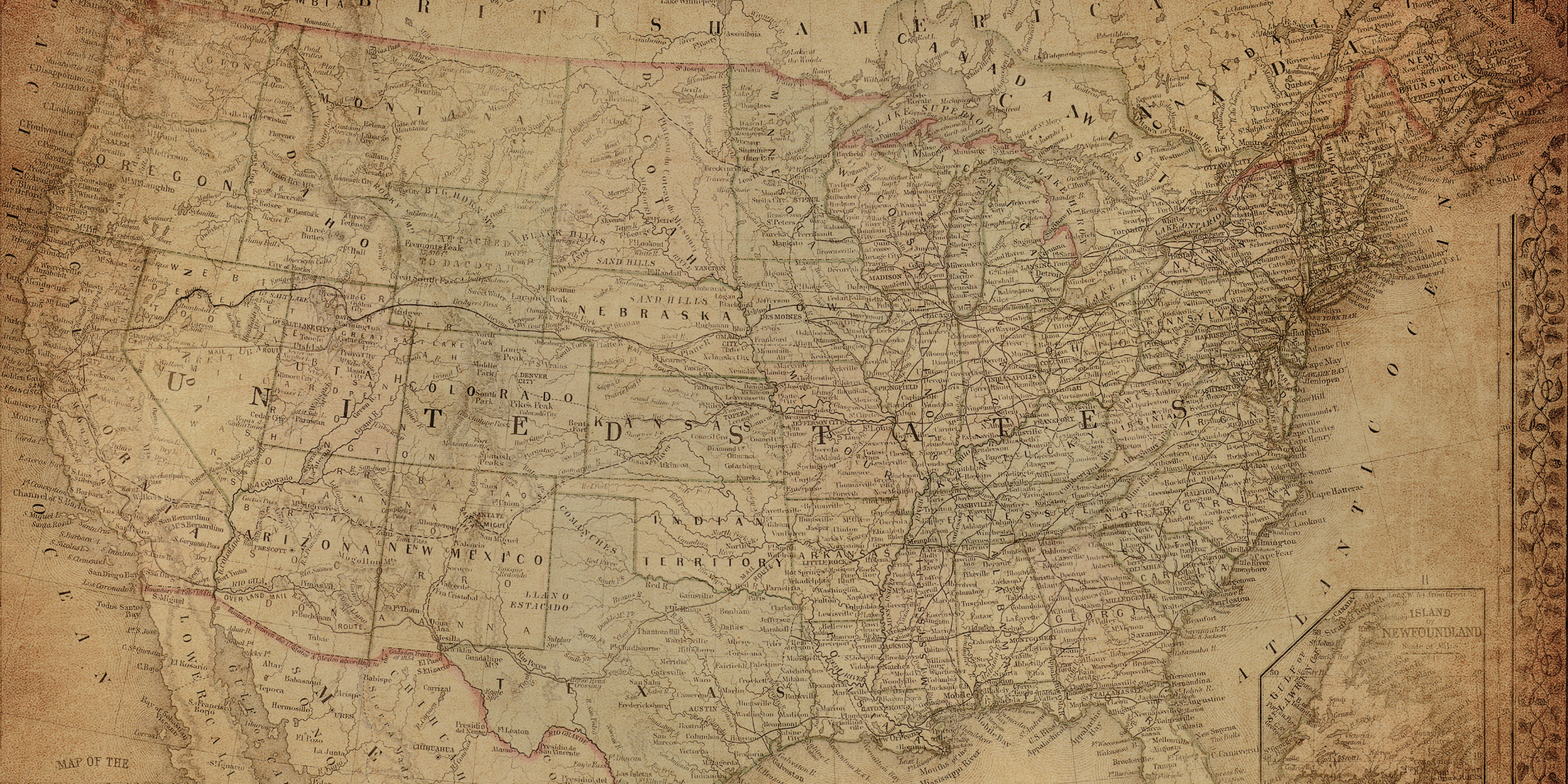
Join the Map
Every church, school, lodge hall, and cemetery that Black communities built during the silence is a monument to persistence without representation. Help us document what remains.
Explore the Map- Wikipedia / BlackPast
- Southern Illinois University Press
- U.S. House of Representatives — History, Art & Archives (history.house.gov)
- Eric Foner, Reconstruction: America’s Unfinished Revolution, 1863–1877 (Harper Perennial, 2014)