
The Standard That Held
Black Political Power in Ohio, 1880 – Present
scroll to begin
The Record
The first African American man elected to the Ohio House of Representatives was George Washington Williams in 1880 — within a decade of the 15th Amendment.
John Patterson Green became the first African American to serve in the Ohio State Senate — elected in 1891 and seated in January 1892. He was elected from a majority-white district and became the only African American from the North to hold a state senate seat before World War I. He introduced the legislation that established Labor Day as a state holiday in Ohio in 1893.
He was born in New Bern, North Carolina — the same town where Abraham Galloway was born, the man who died as a North Carolina state senator in 1870. Green lived to 95, having outlived almost everyone who remembered the world he was born into.
Ohio produced Black political representation within a decade of the 15th Amendment and sustained it. The archive notes this not as celebration but as evidence of what was possible when the machinery of suppression was not fully engaged.
Heritage Cards
The first African American man elected to the Ohio House of Representatives, in 1880. Also the author of the first comprehensive scholarly history of Black Americans, published 1883. Soldier, minister, lawyer, legislator, historian. One of the most remarkable figures of the 19th century — almost entirely forgotten.
Elected to the Ohio Senate in 1892 — the first African American state senator in Ohio, and the only Black state senator in the North until the 20th century. Introduced the legislation that established Labor Day in Ohio as a state holiday. He was 95 years old when he died, having lived from the antebellum era through the beginning of World War II. Born in New Bern, North Carolina — the same town as Abraham Galloway — and died in Cleveland having outlived almost everyone who remembered the world he was born into.
Black Americans make up approximately 12.4% of Ohio's population — about approximately 1.5 million people. They have always been here.
Ohio is the exception the archive documents. What happened here shows that the silences elsewhere were not inevitable. They were enforced.
Explore the Full ArchiveNjila
 The Ancestral Pathway
The history preserved here is not a museum exhibit. It is a living record with direct implications for how we understand civic participation, community power, and the work that remains.

Black History Every Month
A 90-minute course that reframes Black American history as a year-round practice, not a February obligation. The Political Leadership Overlay data is woven throughout.

Know Your Roots, Know Your Rights
Your family's history is connected to laws, policies, and legal systems that shaped where they lived, how they worked, and what they were allowed to own. This self-paced course bridges genealogy and advocacy.

Know Your Power: Civic Advocacy for Black Women
Understanding who held power where your ancestors lived is itself an act of advocacy. From Reconstruction to redistricting, from the Voting Rights Act to your next local election.
Join the Map
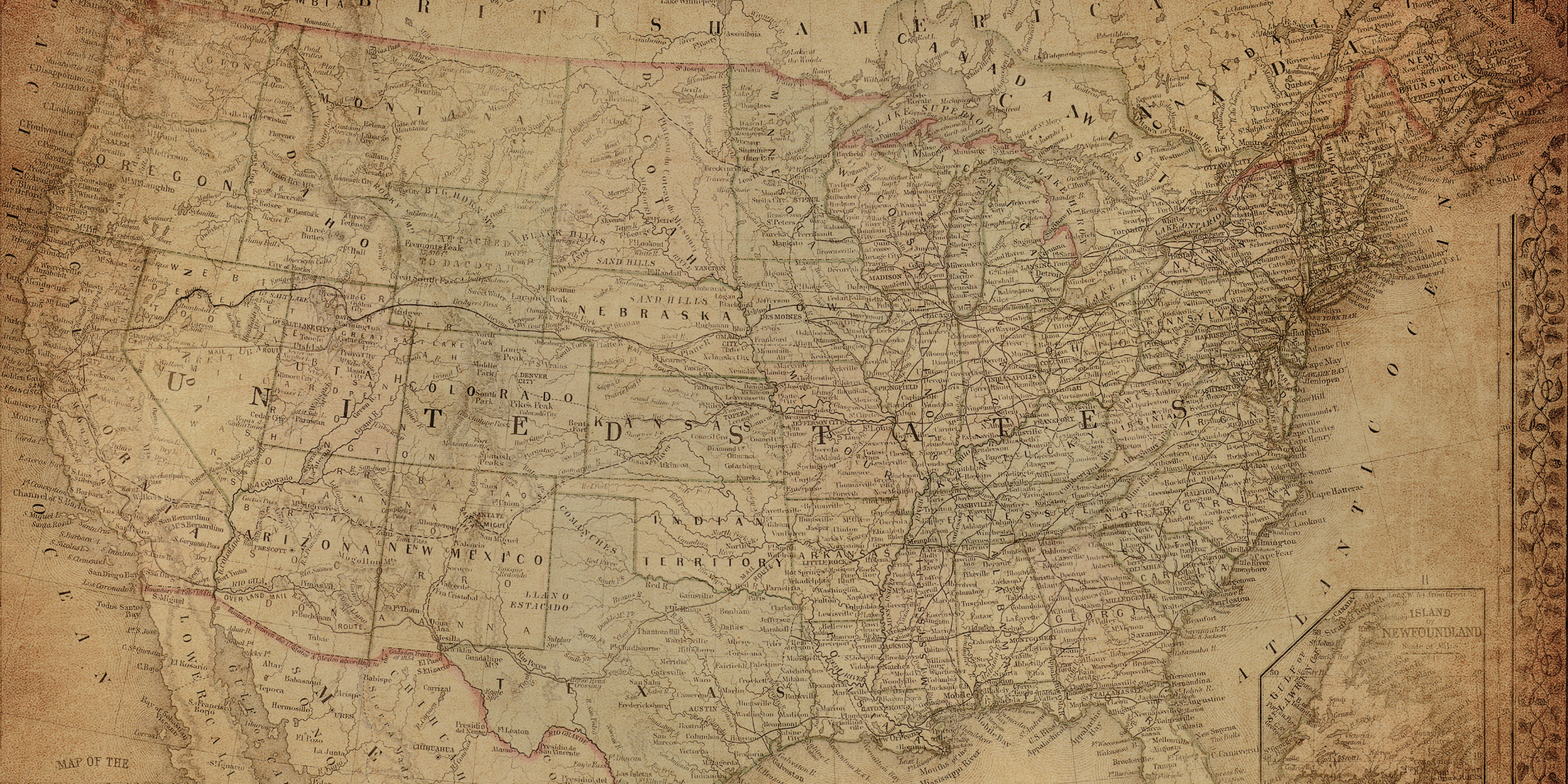
Every church, school, lodge hall, and cemetery that Black communities built during the silence is a monument to persistence without representation. Help us document what remains.
Explore the Map- Wikipedia
- Wikipedia / Encyclopedia.com
- U.S. House of Representatives — History, Art & Archives (history.house.gov)
- Eric Foner, Reconstruction: America’s Unfinished Revolution, 1863–1877 (Harper Perennial, 2014)
- BlackPast.org